
Dacia Jogger Exhaust System: Specs, Fitment & Common Faults
On the Jogger, if diesel, a genuinely important early warning sign: a rising oil level can indicate fuel contamination from interrupted DPF regeneration.
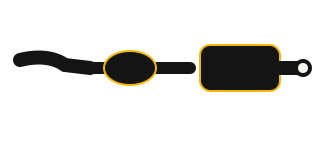 Illustration for editorial purposes
Opens live listings in a new tab.
A Genuinely Important Early Warning Sign Worth Checking Regularly
If your car is a diesel, this is genuinely worth knowing: the DPF regeneration system uses a fifth injector that sprays fuel directly into the exhaust to help burn off trapped soot. If this regeneration cycle is repeatedly interrupted — the engine switched off partway through, common on short journeys — unburnt fuel can find its way into the engine oil, contaminating it over time. A genuinely useful early warning sign worth watching for: an engine oil level that appears to be gradually rising over time, rather than the usual slow drop, can indicate exactly this contamination happening.
It's also worth knowing that DPF problems on this platform are overwhelmingly linked to short-journey use — sustained motorway-speed driving allows the filter to regenerate properly, and owners doing mostly short local trips are considerably more likely to experience blockages regardless of how well-maintained the car otherwise is.
Dacia Jogger Exhaust System: The Part That Announces Its Own Problems
On the Dacia Jogger, you'll typically hear this fault developing long before you'd ever see it — a new rattle, an odd drone, noise levels creeping up from one week to the next. That early audible warning is a genuine head start on catching the problem before it worsens.
Dacia Jogger Exhaust System: Watch: Replacing It
exhaust fit on Sandero, generation not verified
OEM Part Number: confirm via VIN — Rear silencer (aftermarket) Bosal 200-091 / Walker 23819
| Rear silencer (back box) — aftermarket | Bosal 200-091 (accessories needed); Walker 23819 (970 mm, 5.1 kg); Vegaz RS-518 (1000 mm); Vegaz RS-471; Asmet 10.106; MTS 01.61064 (1060 mm, equipment-code limited) |
|---|---|
| Centre / intermediate silencer — aftermarket | ASSO 13.6006 only (centre muffler, 2022-2025); no Bosal or Walker listed |
| Front pipe / catalytic converter (DPF on diesels) — aftermarket | or DPF: Bosal 090-224 (Euro 4/5, with fitting parts); Vegaz RK-399 (Euro 6); BM Catalysts BM92747H (Euro 6, with FK92747); AS 30223 (Euro 5, OBD, 360 mm) |
| Genuine (OE) numbers quoted | None quoted in catalogue listings — order genuine parts against your VIN |
| Fitment notes | Engines 1.0 TCe (RKMD) 110 HP petrol, 1.6 Hybrid (RKN8) 141 HP, 1.0 TCe ECO-G (RKMT) 91/101 HP petrol/LPG; no part mapped to engine. |
The Jogger shares its CMF-B platform and engines with the Dacia Sandero and Renault Clio, so it's worth checking parts listings under those car names too. The Hybrid 140/155 benefits from generally lighter exhaust loads given the electric motor handles a meaningful share of everyday driving, but catalytic converter theft remains a real risk on this car as with most modern turbocharged petrol vehicles.
Dacia Jogger Exhaust System: What It Does
The Dacia Jogger's exhaust does more than just carry gases away from the engine — it also handles noise reduction through the silencer and emissions treatment via a catalytic converter and particulate filter. That's why petrol and diesel versions can use entirely different systems.
Opens live listings in a new tab.
Dacia Jogger Exhaust System: Warning Signs, DIY Difficulty & Aftermarket Advice
These are the same regardless of make or model — see our full Exhaust System Guide for warning signs and fault codes to watch for, confirming fitment against your VIN, and which aftermarket brands are worth trusting.
More Dacia Exhaust System
The same part, covered across other Dacia models.