
Hyundai i20 Rear Springs: Specs, Fitment & Common Faults
Genuinely worth confirming first: drivetrain and left/right side both affect which rear spring fits.
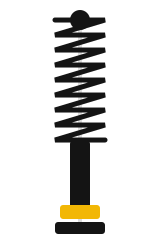 Illustration for editorial purposes
Opens live listings in a new tab.
A Part That Fails Quietly, Then Suddenly
A sagging Hyundai i20 rear spring rarely gives dramatic warning — just a slightly reduced ride height over several months — before eventually failing suddenly at the coil's end with an audible clunk. Keep an eye out for one rear corner sitting lower than the other as an early tell.
Hyundai i20 Rear Springs: Watch: Replacing It
OEM Part Number: confirm via VIN — rear coil springs (aftermarket) Monroe SP4376 / Sachs 992303
| Rear coil springs (aftermarket) | Monroe SP4376 (318 mm); Sachs 992303 (standard, 320 mm); Suplex 12215 (standard, 320 mm); Kamoka 2120480 |
|---|---|
| Genuine (OE) numbers quoted | None quoted in the catalogue listings — the genuine spring varies by engine, suspension type and body style, so order it against your VIN |
| Front-wheel drive, standard rate | Genuinely a different spring from the AWD version below — confirm drivetrain and side before ordering |
| AWD | A genuinely different spring from the front-wheel-drive version, reflecting the different rear axle layout |
A single new rear spring on the Hyundai i20, next to an old, sagged one, creates an imbalance — uneven ride height and a handling bias — which is why replacing them as a pair is the better approach.
Hyundai i20 Rear Springs: What It Does
On the Hyundai i20, bearing the rear end's weight and cushioning the initial jolt of a bump is the coil spring's role, complementing the shock absorber rather than duplicating its job. When it sags or breaks, ride height drops, headlight aim can be thrown off, and severe cases can mean an MOT failure.
Opens live listings in a new tab.
Hyundai i20 Rear Springs: Warning Signs, DIY Difficulty & Aftermarket Advice
These are the same regardless of make or model — see our full Rear Springs Guide for symptoms of a failing spring, confirming fitment against your VIN, and OEM vs aftermarket guidance.
More Hyundai Rear Springs
The same part, covered across other Hyundai models.