
Mercedes-Benz E-Class Exhaust System: Specs, Fitment & Common Faults
A genuinely useful, technical clarification: a 100% DPF fill level triggers a normal regeneration cycle, but at 200% the car's computer actually blocks regeneration entirely, requiring a specialist-only "forced regeneration" instead.
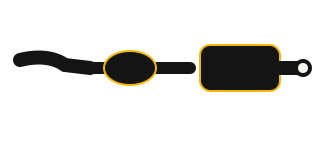 Illustration for editorial purposes
Opens live listings in a new tab.
OEM Part Number: confirm via VIN — Rear silencer (aftermarket) Walker 23091
| Rear silencer (back box) — aftermarket | Walker 23091; Walker 24332; Vegaz MS-6IMA, MS-13IMA, MS-340, MS-22, MS-2; Polmo 13.11; Hella 8LD 366 033-101 / -141 / -251 / -301 (sets). Same pool as A/C/CLA, so likely generic. |
|---|---|
| Centre / intermediate silencer — aftermarket | Bosal 175-185 / 175-191 / 175-005 (accessories needed); Vegaz MS-188IMA (970 mm), MS-163, MS-427 (800 mm), MS-431, MS-190, MS-216IMA; MTS 01.53470 (1040 mm); Polmo 13.07; Izawit 07.009; Hella 8LC 366 025-341 |
| Front pipe / catalytic converter (DPF on diesels) — aftermarket | Bosal 090-177 (Euro 4/5); NAP CAK11581 / CAK11622 (Euro 6); Vegaz MK-377, MK-399, MK-395 (Euro 6), MK-353 (Euro 5); BM Catalysts BM92530H / BM92528H; Walker 28196; JMJ 1080386 (OM651) |
| Genuine (OE) numbers quoted | None quoted in catalogue listings — order genuine parts against your VIN |
| Fitment notes | petrol, diesel, hybrid variants; not engine-specific. |
Mercedes-Benz E-Class Exhaust System: The Part That Announces Its Own Problems
Where a lot of Mercedes-Benz E-Class parts fail silently until you spot something visually wrong, this one tends to make noise first — a rattle, a drone, an audible change that wasn't there recently. That's a useful early-warning system if you're paying attention.
Mercedes-Benz E-Class Exhaust System: What It Does
Away from the engine, through the silencer, and often through a catalytic converter and particulate filter before reaching the tailpipe — that's the Mercedes-Benz E-Class's exhaust job in three steps. Petrol and diesel versions frequently need different systems entirely, since their emissions treatment isn't the same.
Mercedes-Benz E-Class Exhaust System: Watch: Replacing It
W212 muffler removal; no W213 job video found
Opens live listings in a new tab.
A Genuinely Useful, Technical Clarification Worth Knowing — Mercedes-Benz E-Class Exhaust System
If you're trying to understand the DPF fill level readings a specialist has quoted you, this is genuinely worth knowing directly from documented Mercedes terminology on this diesel engine: a fill level of 100% is when the DPF triggers a normal regeneration cycle during ordinary driving. Critically, at 200% fill, the car's computer actually blocks regeneration attempts entirely, requiring a specific "forced regeneration" carried out using specialist diagnostic equipment instead of allowing it to happen naturally on the road.
It's also genuinely worth knowing that a "DPF not working efficiently" fault code is most commonly caused by a failed, comparatively cheap pressure sensor rather than the expensive DPF itself, worth checking this DIY-friendly part first before assuming a full DPF replacement is necessary.
Mercedes-Benz E-Class Exhaust System: Warning Signs, DIY Difficulty & Aftermarket Advice
These are the same regardless of make or model — see our full Exhaust System Guide for warning signs and fault codes to watch for, confirming fitment against your VIN, and which aftermarket brands are worth trusting.
More Mercedes-Benz Exhaust System
The same part, covered across other Mercedes-Benz models.