
Suzuki Swift Brake Discs: Specs, Fitment & Wear Symptoms
A genuinely specific, real technical explanation for the Sport: front-biased brake balance means the rear discs corrode faster than the fronts — plus a confirmed UK safety recall covering over 20,000 cars for a swelling brake booster valve.
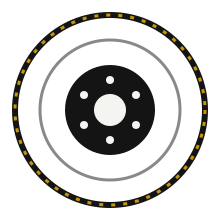 Illustration for editorial purposes
Opens live listings in a new tab.
Suzuki Swift Brake Discs: OEM Part Number
| Current generation, 1.2 petrol (4-stud), front discs | 272mm diameter, vented, 22mm thickness, 20mm minimum |
|---|---|
| Current generation, 1.6/Sport (5-stud), front discs | 272mm diameter, vented, 22mm thickness, 20mm minimum — same size, different stud pattern |
| Earlier generation (2005-2011), front discs | 252mm or 276mm diameter, vented, depending on engine |
Suzuki Swift Brake Discs: The Part That Pads Depend On
On the Suzuki Swift, wear on one of this pair accelerates wear on the other, so a pad change booked as routine maintenance often turns up discs that have quietly deteriorated alongside them.

Suzuki Swift Brake Discs: What They Do
Brake discs provide the surface the brake pads clamp against to slow the car, converting momentum into heat through friction. Larger, sportier trims of the Swift typically use bigger discs than standard versions to handle the additional heat generated by more aggressive braking.
Opens live listings in a new tab.
A Genuinely Specific, Real Technical Explanation Worth Knowing on the Sport — Suzuki Swift Brake Discs
If you're finding the rear discs on your Swift Sport looking notably more corroded than the fronts, this is genuinely worth knowing: this car's brake balance is strongly biased toward the front, meaning the rear brakes are used comparatively minimally during normal driving. This has been documented causing the rear discs specifically to develop surface corrosion more quickly than you might expect, particularly during winter or when the car is parked for extended periods without the rear brakes getting enough genuine use to naturally polish this corrosion away. Surface rust alone is normal and nothing to worry about, but it's worth checking for deep pitting or an uneven lip forming on the disc surface, since that points toward genuinely neglected calipers rather than simple, harmless surface corrosion.
It's also worth knowing that this recall relates to brake feel and pedal effort via the vacuum booster specifically, rather than the discs themselves — worth keeping in mind as a separate check alongside the more routine business of monitoring disc condition and corrosion.
Suzuki Swift Brake Discs: Wear Symptoms, DIY Difficulty & Aftermarket Advice
These are the same regardless of make or model — see our full Brake Discs Guide for warning signs to watch for, confirming fitment against your VIN, and choosing a reliable aftermarket disc.
More Suzuki Brake Discs
The same part, covered across other Suzuki models.